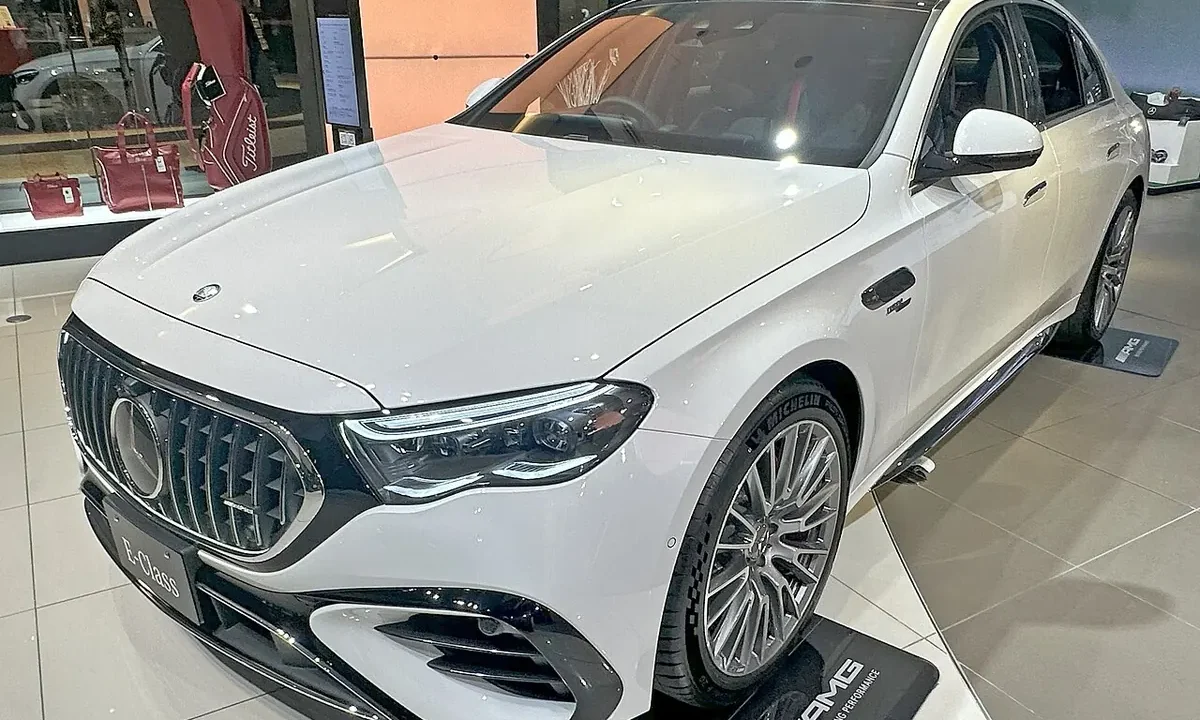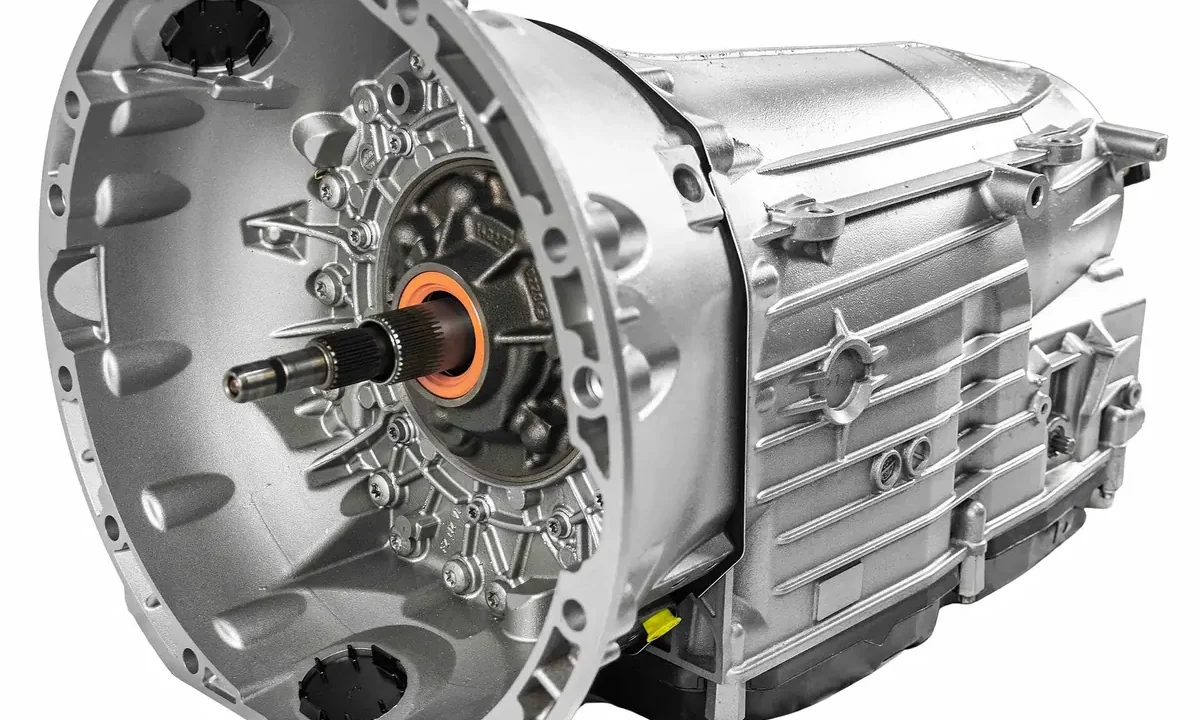
Mercedes 7G-Tronic problems are one of the most common reasons a used Mercedes-Benz from roughly 2005 to 2016 ends up in limp mode, shifting harshly or stuck in second gear (FCP Euro lists the 722.9 in US cars from 2005 to as late as 2017). The 7G-Tronic, known to technicians as the 722.9, was fitted to almost every rear-wheel-drive and 4MATIC Mercedes with a six- or eight-cylinder engine in that era, from the C300 and E350 to the ML350, S550 and many AMG models. The good news is that most failures are not a full transmission replacement. According to FCP Euro, temperamental behavior is most often remedied by replacing the valve body, solenoids or the conductor plate, with torque converter lock-up wear in the more extreme cases, and each has a clear set of symptoms and fault codes.
This guide is part of the Mercedes-AMG problems and reliability hub, which links every engine, gearbox and fault-code guide for the brand.
This guide explains the common 722.9 transmission problems, how to tell them apart, what the repairs typically cost in the US, which years carry the most risk and what to check before you buy. Each cost, interval and specification is attributed to a linked source, and you should always confirm a diagnosis with a Mercedes-capable scan tool.
Mercedes 7G-Tronic Problems at a Glance
This table summarizes the issues independent specialists and owners report most often. Each one is explained in detail below. Costs are rough US ranges from the linked sources (Circuit Board Medics, Tosen, MB Medic and CoreTransmissionParts), not Mercedes-Benz figures.
| Problem | Typical symptoms | Typical fault codes | Approx. cost |
|---|---|---|---|
| Conductor plate (speed sensor) failure | Limp mode stuck in 2nd, erratic shifts, jolting | 0717, 0718, 2766, 2767, 2768 | About $2,000–$4,000 for parts, labor and programming; $1,500–$4,000 diagnosis to repair |
| Valve body wear | Harsh or flared shifts, pressure-regulator codes | Solenoid or pressure codes | About $2,000–$3,000 |
| Torque converter lock-up clutch wear | Shudder or jolt, poor acceleration | 2783, 0741 | About $1,300–$2,400 (parts-retailer estimate); the job needs the gearbox removed |
| Electrical connector leak (Mercedes bulletin covers the 722.6) | ATF at the plug, oil in the wiring harness | None listed | No sourced 722.9 price |
| Old or wrong fluid | Harsh cold shifts, slipping, unpredictable shifts | Varies | Service about $350–$600 |
| 4MATIC transfer case and rear seal leaks | Fluid at the rear of the gearbox, transfer case bearing wear | Usually none | Seal or bearing kit, up to a full unit |
What Is the Mercedes 7G-Tronic (722.9)?
The 7G-Tronic is Mercedes-Benz’s seven-speed torque-converter automatic, internal type 722.9 (also called NAG2). According to Wikipedia, it was introduced in autumn 2003 as the first seven-speed automatic ever used in a production passenger car, initially on the E 500, S 430, S 500, CL 500 and SL 500, and it later became available on many six-cylinder models. It has two reverse gears, and Mercedes-Benz’s workshop brochure says six- and eight-cylinder petrol cars in comfort mode start off in second gear, which is normal behavior and not a fault.
FCP Euro notes that, unlike the earlier 722.6, the 722.9 has its transmission control unit (TCU) integrated into the valve body assembly. That electronic assembly, often called the conductor plate or VGS, carries the internal speed sensors (Circuit Board Medics lists three speed sensors, a range sensor and the shift solenoids). That design saves wiring, but it also explains why so many 7G-Tronic faults are electronic rather than mechanical.
- 7G-Tronic (2003–2010): the original version, filled with red ATF to Mercedes specification MB 236.14 (Tosen, FCP Euro).
- 7G-Tronic Plus (from September 2010): per Mercedes-Benz’s workshop brochure, launched with a fuel-economy torque converter, an electric auxiliary oil pump for start/stop operation and blue low-viscosity fluid (MB 236.15), which Mercedes switched to across the board in June 2010. Cars with it usually carry option code A89 (FCP Euro).
- AMG SpeedShift versions: AMG used torque-converter versions (SpeedShift TCT) and, from 2009 on the E63 and SL63 AMG, the SpeedShift MCT, which Wikipedia says swaps the torque converter for a wet start-up clutch. Wikipedia also lists the MCT on the 2011 S63 and CL63 AMG and the 2012 CLS63 and C63 AMG.
- Successor: the 9-speed 9G-Tronic made its world premiere in the E350 BlueTEC in 2013 (eMercedesBenz, 24 July 2013). FCP Euro lists the 722.9 in some models into 2018.
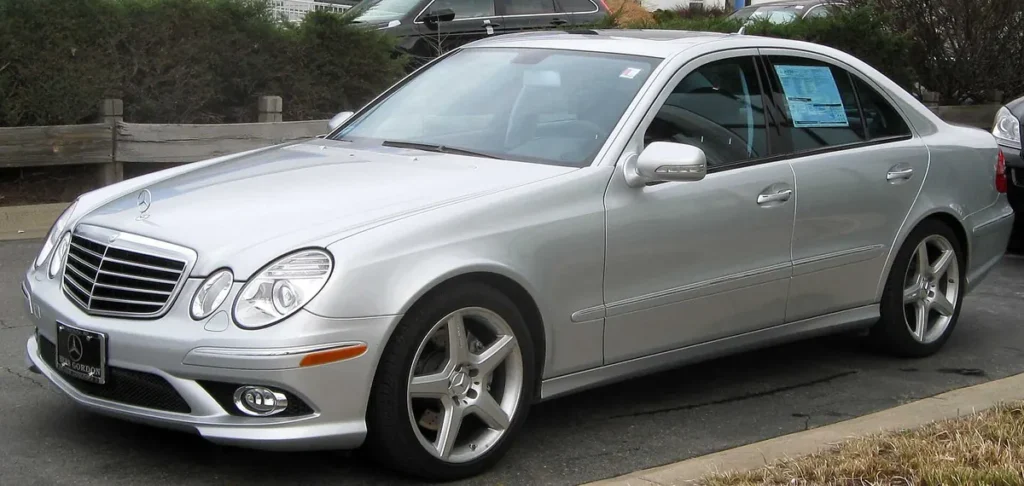
Which US models use the 7G-Tronic?
Exact fitment depends on engine and build date. The table below follows FCP Euro‘s list of US models and years; check the build data or ask a dealer to decode the VIN if you are unsure.
| Model family | Typical 7G-Tronic years (US) | Notes |
|---|---|---|
| C-Class (C350, C300, C63 AMG) | C350 2006–2015; C300 2008–2016; C63 AMG 2008–2018 | C63 AMG uses the SpeedShift MCT from the 2012 model year (Wikipedia) |
| E-Class (E350, E550, E63 AMG) | E350 2006–2016; E550 2007–2017; E63 AMG 2007–2015 | E63 AMG uses the SpeedShift MCT from 2009 (Wikipedia) |
| S-Class (S550, S63 AMG) | S550 2007–2017; S63 AMG 2008–2017 | 4MATIC versions share fluid with the transfer case (FCP Euro) |
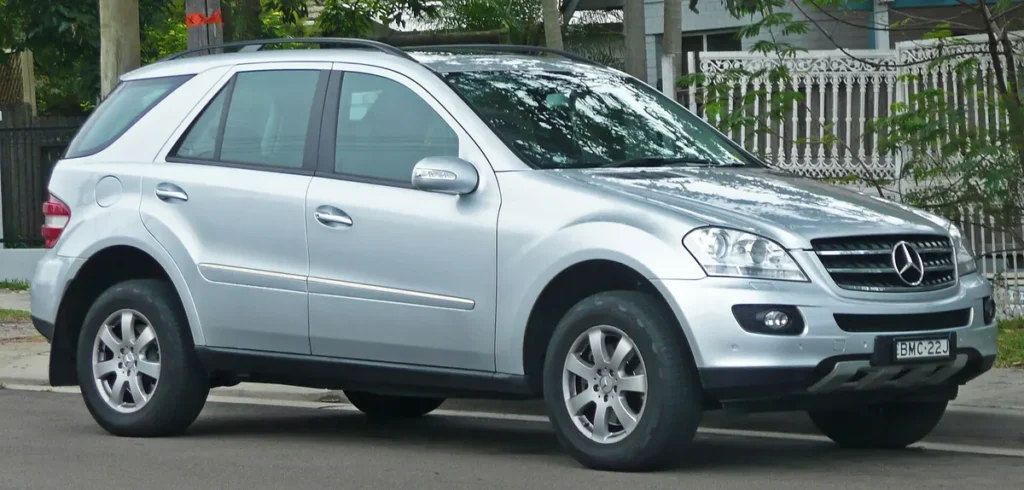
| ML and GL | ML350/550 2006–2015; GL450 2007–2016; GL350/550 2008–2016 | 4MATIC applications |
| GLK, CLS, SL, SLK, R-Class, G-Class | GLK250/350 2010–2015; CLS550 2007–2015; SL550 2007–2017; SLK350 2005–2016; R350 2006–2012; G550 2009–2018 | Check by engine and year |
Is the 7G-Tronic Reliable?
Mostly yes. FCP Euro says the 722.9 will seldom require an entire replacement when maintained properly, apart from some 4MATIC applications, and that most problems are remedied with the valve body, solenoids or conductor plate. The weak points are the internal electronics, valve body wear and, in extreme cases, the torque converter lock-up clutch. The conductor plate can be replaced with the gearbox still in the car (MB Medic), whereas the torque converter job needs the gearbox removed.
The biggest factor is fluid maintenance. FCP Euro lists service intervals of about 40,000 miles for red-fluid units and about 70,000 miles for blue-fluid units, while Mercedes-Benz’s workshop brochure gives a single change at 50,000 km (about 31,000 miles) for the early 7G-Tronic and 125,000 km (about 77,000 miles) for the 7G-Tronic Plus, though not for every blue-fluid unit. If you are looking at a specific model, our guides to Mercedes C300 problems and Mercedes-AMG E63 S reliability cover the rest of the car.
7G-Tronic Conductor Plate Failure
The conductor plate is the most common cause of serious Mercedes 7G-Tronic problems. Circuit Board Medics says typical failures are the loss of one or more speed sensor signals, and MB Medic says the problem is usually the speed sensors located in the conductor plate, which bolts on top of the valve body inside the transmission. When a speed sensor signal drops out, the transmission goes into emergency (limp) mode.
7G-Tronic conductor plate symptoms
- Limp mode: the transmission is stuck in second gear and will not shift into higher gears (MB Medic says you cannot drive over about 40 mph).
- The check engine light is on, with several speed sensor fault codes stored.
- Erratic shifting and jolting while changing gears.
- Engine rpm is high but the car does not move.
- All of the above per MB Medic; other causes can also put a Mercedes into limp mode, so diagnose it promptly.
Per Wikipedia, if the control unit senses a critical fault the transmission activates an emergency mode: after a hydraulic failure it keeps the currently selected gear, and after an electrical failure it shifts to 6th gear. If the critical fault persists after the vehicle is stopped and the engine restarted, only 2nd gear and reverse gear 2 are available. MB Medic says that turning the engine off, waiting ten seconds and restarting may allow normal shifting again, which is why the problem can seem to “fix” itself for a while.
722.9 speed sensor fault codes
According to FCP Euro, the TCU can produce over 100 fault codes and store up to 16 at a time, so you need a scanner that can read the transmission module; P0700 (transmission control system malfunction) is among the common ones. These are the speed sensor codes tied to conductor plate failure by Circuit Board Medics and the Mercedes workshop brochure:
| Code | Component | Meaning |
|---|---|---|
| 0717 / P0717 | Y3/8n1 turbine (input) speed sensor | Signal not available |
| 0718 / P0718 | Y3/8n1 turbine speed sensor | Signal defective or intermittent |
| 2766 | Y3/8n2 internal speed sensor | Excessive rpm occurred |
| 2767 | Y3/8n2 internal speed sensor | Signal not available |
| 2768 | Y3/8n2 internal speed sensor | Signal defective |
| 0722 / P0722 | Y3/8n3 output speed sensor | Output speed sensor fault (listed with the rpm sensor faults in the Mercedes workshop brochure) |
The speed sensors cannot be replaced separately because they are part of the plate (MB Medic, Tosen). If you see these codes, the plate is the prime suspect.
VGS1, VGS2 and VGS3: why the version matters
There are three main generations of 722.9 control unit, marked VGS1, VGS2 or VGS3 on the unit itself. Circuit Board Medics and MB Medic put VGS1 at roughly model years 2004–2007, while Mercedes-Benz’s workshop brochure dates the switchover from VGS1 to VGS2 to 2005 and the start of the VGS2 to VGS3 switchover to June 2008, so check the label rather than the year. When a new VGS1 unit is bought, the conductor plate and valve body generally have to be replaced together, which makes early-car repairs more expensive. VGS2 and VGS3 units can usually be repaired by replacing the conductor plate and TCU alone.
MB Medic says a replacement TCU must be “virgin” and “married” to the car using SCN coding, so it cannot simply come from a used car unless it has been virginized first. That is why a cheap used plate from a salvage car rarely works by itself.
Conductor plate replacement cost
Published US estimates vary widely depending on the part source and VGS version:
- Replacement plate: Circuit Board Medics puts parts, labor and programming for a conductor plate (TCM) replacement at $2,000–$4,000, depending on the type of TCM. Tosen says full diagnosis-to-repair jobs on these transmissions commonly land between $1,500 and $4,000, depending on how many units the generation forces into the repair.
- VGS1 cars needing the valve body too: MB Medic and Tosen put a valve body replacement at $2,000–$3,000.
- Repair of the original plate: Circuit Board Medics offers a repair of the original TCM with one-business-day turnaround as an alternative to replacement; its article does not publish a price.
MB Medic says the transmission does not need to be removed to replace the conductor plate. Tosen lists a new filter, the correct fluid and an adaptation routine as part of the job, so budget for those at the same time.
Valve Body and Shift Quality Problems
If the car shifts badly but has no speed sensor codes, the hydraulic valve body is a more likely culprit. Tosen lists pressure-regulator codes and harsh or flared specific shifts as valve body symptoms, and FCP Euro lists harsh shifts when the transmission is cold, holding second gear, slip and generally unpredictable gear changes as symptoms of a valve body, solenoid or conductor plate problem. FCP Euro also says the first step should be to assess the fluid quality and level.
Not every rough shift means failed hardware. MB Medic says reprogramming the TCU with the latest software may make gear changes smoother on units without a fault but is unlikely to permanently fix a valve body or conductor plate failure, and Mercedes-Benz’s workshop brochure devotes a chapter to adaptation procedures. MB Medic and Tosen put valve body replacement at $2,000–$3,000.
Torque Converter Shudder and Lock-Up Codes 2783 and 0741
The 722.9 can lock its torque converter in all seven gears (Wikipedia). If the lock-up clutch slips or cannot engage, the bulletin below lists shudder or jolting, and possibly poor acceleration, as the complaint.
Mercedes-Benz documented a specific issue on the 7G-Tronic Plus in a technical bulletin filed with NHTSA (LI27.20-N-064558). It covers 722.9 7G-Tronic Plus gearboxes built from April 2011 to August 2015 that store fault code 2783 (friction power of the torque converter lock-up clutch too high) or 0741 (torque converter lock-up clutch actuation not possible). Mercedes lists two causes depending on the transmission ID: increased wear of the torque converter bearing bushing, or slight internal leakage at a sealing ring between the input shaft and the lock-up clutch. The remedy is to remove the transmission, polish the input shaft and replace the torque converter.
Because that job means removing the gearbox, expect a bill well above a conductor plate repair. CoreTransmissionParts says luxury-vehicle torque converter jobs commonly land at $1,300–$2,400 once parts ($500–$900) and labor ($800–$1,500) are included, citing a third-party cost guide. Mercedes’ workshop brochure describes a lock-up test in the diagnostics: if the complaint disappears in the forced lock-up mode, the lock-up valve or the converter clutch is the cause.
Electrical Connector Leaks and Wiring Faults
The wiring harness enters the gearbox through an electrical connector sealed by O-rings. Mercedes-Benz bulletin T-B-27.00/48e (copy of the bulletin) covers 722.6 transmissions in the ML and G-Class (models 163 and 463) that leak oil at the electrical connection, with oil sometimes found in the wiring harness. No source reviewed extends the bulletin to the 722.9, so treat a leak at the plug as something to inspect rather than a known 722.9 defect.
The bulletin’s fix is to clean the area, replace the electrical connector and its O-rings, wipe dry and blow out the plugs if oil has entered the harness, and route the harness without tension on the connector. It says the connector may only be assembled or disassembled when the transmission oil temperature is below 50°C (122°F) to prevent damage to the conductor plate.
7G-Tronic Fluid: Red vs Blue, Intervals and Costs
Using the wrong fluid or skipping services can cause avoidable 7G-Tronic complaints. There are two main fluids, and Tosen and FCP Euro both say they must never be mixed:
| Version | Build period | Fluid | Mercedes-Benz workshop brochure | FCP Euro service interval |
|---|---|---|---|---|
| 7G-Tronic (early 722.9) | Before 21 June 2010 | Red, MB 236.14 | Once at 50,000 km (about 31,000 miles) | About 40,000 miles |
| 7G-Tronic Plus (A89) | From 21 June 2010 | Blue, MB 236.15 | Every 125,000 km (about 77,000 miles), but not for every blue-fluid unit | About 70,000 miles |
FCP Euro says all vehicles through model year 2010 use red fluid and all from model year 2012 use blue, with 2011 cars to be checked by production date. Mercedes-Benz’s workshop brochure assigns the fluid by transmission serial number: red up to serial 2834526 and blue from 2834527. Check the official Mercedes-Benz operating fluids sheet or ask a dealer.
The 722.9 has no conventional dipstick. According to Gearbox Insider, it is filled through the drain plug with a pump and the level is set from an overflow tube at 45°C (113°F) transmission temperature, confirmed with a scan tool. A pan service replaces about 6 liters, while a full exchange including the torque converter uses about 9 liters. Gearbox Insider reports independent and European specialist quotes of $350–$400 for a standard service and dealer quotes of $500–$600, noting that shops price different amounts of fluid.
7G-Tronic Limp Mode: What To Do
7G-Tronic limp mode is a protective state, not a diagnosis. If your car is stuck in second gear, MB Medic suggests turning the engine off, waiting ten seconds and restarting, then diagnosing it as soon as possible:
- Pull over safely, turn the engine off, wait at least 10 seconds and restart. If it shifts normally, the fault was probably intermittent, but it is still stored.
- Drive gently and directly to a shop. Long trips in a fixed gear mean high revs and extra heat.
- Have the transmission module scanned with Xentry/STAR or a scan tool that reads Mercedes transmission codes, not just engine codes.
- Check the fluid level and condition and inspect the electrical connector for ATF.
- Only then decide between a conductor plate, valve body, torque converter or a software update.
Engine faults can also trigger reduced power. The torque converter bulletin above lists “poor acceleration, e.g. due to engine intervention” as a possible additional complaint, so check for engine codes too, such as Mercedes code P0016.
4MATIC Transfer Case and Leak Problems
On 4MATIC models, the transfer case is integrated with the 722.9 and shares its fluid, so FCP Euro says it is subjected to more heat than in a rear-drive unit, and fluid shears faster, which makes sticking to maintenance intervals more pressing. FCP Euro says leakage is more prevalent on these variants, most notably from the rear seal, and that a failed transfer case bearing is often the origin of a 4MATIC problem; it sells reseal and bearing kits, and says that if the transfer case itself fails it is generally most economical to replace the entire 722.9 unit.
AMG SpeedShift: Does It Share the Same Problems?
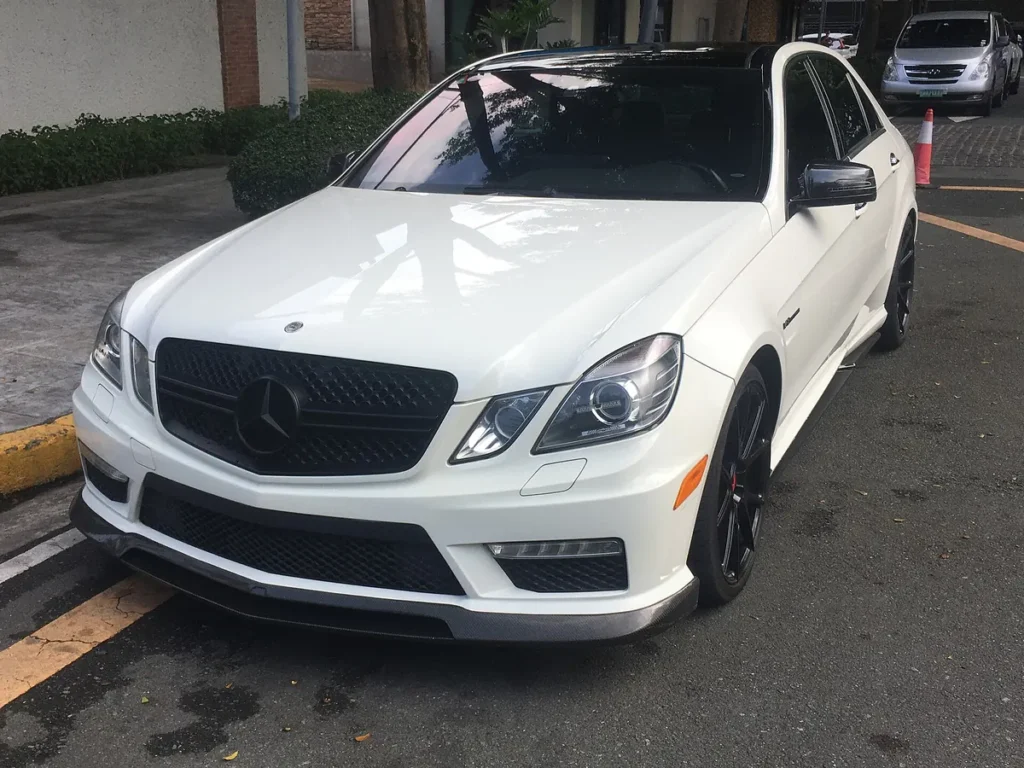
AMG models use 722.9-based gearboxes: Wikipedia calls the SpeedShift MCT essentially the 7G-Tronic without a torque converter, using a compact wet start-up clutch instead. Converter shudder therefore does not apply to MCT cars, but the other 722.9 notes above still do. Mercedes-Benz’s workshop brochure lists a reinforced version for the 463 kW (1,000 Nm) SL65 and G65 AMG from June 2012. For AMG-specific advice, read our Mercedes C63 AMG reliability guide.
Recalls and Service Bulletins
A check of NHTSA’s recalls-by-vehicle data in November 2026 for 24 Mercedes-Benz model names (C-Class, E-Class, S-Class, ML, GL, GLK, SLK, SL, CLS, R-Class, G-Class and AMG versions) across model years 2005–2017 found no recall filed under the power train or transmission component, so no safety recall aimed at the 722.9 gearbox itself was found. Mercedes-Benz addressed the torque converter issue above by technical bulletin instead. Model-level recalls such as airbags and electrical items still apply, so always run the 17-digit VIN through the NHTSA recall lookup before buying.
7G-Tronic Years To Avoid (and the Safest Bets)
No 7G-Tronic year is a guaranteed failure, and condition matters more than the calendar. Based on the version history in the sources above:
| Model years | Version | Verdict | Why |
|---|---|---|---|
| 2004–2007 | Early 722.9, VGS1 | Most caution | MB Medic says early units (2004–2008) had a higher failure rate, and VGS1 repairs may need the valve body too |
| 2008–2010 | 722.9 with VGS2/VGS3, red fluid | Average | Plate failures still occur but are cheaper to fix; fluid history is key |
| 2011–2015 | 7G-Tronic Plus, blue fluid | Check the bulletin | Check for torque converter codes 2783/0741 on units built April 2011 to August 2015 |
| Later models (model dependent) | 9G-Tronic | Different gearbox | 7G-Tronic advice does not apply |
The best 7G-Tronic car is one with records of fluid services, no stored transmission codes and evidence that any conductor plate work was done with proper coding.
Used Buyer’s Checklist for a 7G-Tronic Mercedes
- Scan the transmission module, not just the engine. Stored or recent 0717, 0718, 2767, 2768, 2783 or 0741 codes are red flags.
- Cold start and drive: select Drive and Reverse several times. Engagement should be quick and smooth, without a long pause or thump.
- Test drive warm: try gentle cruising at 40–60 mph to check for converter shudder.
- Ask for service records showing transmission fluid and filter changes with the correct red or blue fluid.
- Look underneath for ATF at the electrical connector, pan and, on 4MATIC cars, the rear of the gearbox.
- Listen for unusual noise from the transfer case on 4MATIC models, and check for fluid at the rear seal.
- Check recalls and bulletin work by VIN with a dealer.
- Budget for transmission work if the history is unknown: Tosen puts diagnosis-to-repair jobs at $1,500–$4,000, so get a pre-purchase inspection.
More guides: Looking for other models and fault codes? Browse our Common Problems & Reliability Guides hub for BMW, Mercedes-AMG and Audi reliability articles.
Frequently Asked Questions
What are the most common Mercedes 7G-Tronic problems?
The most common are conductor plate speed sensor failures that cause limp mode, valve body wear that causes harsh shifts, torque converter lock-up clutch wear on some 7G-Tronic Plus units, electrical connector leaks and problems caused by old or incorrect fluid.
What are the symptoms of a bad 7G-Tronic conductor plate?
Typical symptoms are limp mode in second gear, delayed engagement into Drive or Reverse, harsh or erratic shifts and stored speed sensor codes such as 0717, 0718, 2767 or 2768. Problems often start intermittently and get worse over time.
How much does a 7G-Tronic conductor plate replacement cost?
Circuit Board Medics puts parts, labor and programming for a replacement conductor plate at $2,000–$4,000 depending on the TCM type, and Tosen puts diagnosis-to-repair jobs at $1,500–$4,000. VGS1 cars that need a valve body as well fall at the upper end.
Can I drive a Mercedes in 7G-Tronic limp mode?
Only for a short distance to get to a shop. MB Medic says to diagnose a Mercedes in limp mode as soon as possible, and notes the car cannot be driven over about 40 mph in that state.
What is the difference between 7G-Tronic and 7G-Tronic Plus?
7G-Tronic Plus, launched in September 2010 (Mercedes-Benz’s workshop brochure), has a fuel-economy torque converter, an electric auxiliary oil pump for start/stop operation and blue MB 236.15 fluid. The earlier 7G-Tronic uses red MB 236.14 fluid, and the two fluids must not be mixed.
How often should 7G-Tronic fluid be changed?
Mercedes-Benz’s workshop brochure gives a single change at 50,000 km (about 31,000 miles) for the early 7G-Tronic and every 125,000 km (about 77,000 miles) for the 7G-Tronic Plus, though not for every blue-fluid unit. FCP Euro lists about 40,000 miles for red-fluid units and about 70,000 miles for blue-fluid units. Use a new filter and a correct temperature-based level check.
Is the 7G-Tronic better than the 9G-Tronic?
They are different designs. The 7G-Tronic is older and its problems are well documented, which makes repairs predictable. The 9G-Tronic is more efficient and fitted to newer cars. Condition and maintenance history matter more than which gearbox a used car has.
The Bottom Line on Mercedes 7G-Tronic Problems
The 722.9 is a strong gearbox with a few well-known weak points. Most Mercedes 7G-Tronic problems come down to the conductor plate electronics, valve body wear, torque converter lock-up issues on some 7G-Tronic Plus units and neglected fluid. Diagnose with proper Mercedes software before buying parts, service the fluid with the correct specification and favor cars with records. If you want more background on the brand, our comparison of AMG vs Mercedes-Benz is a good next read.
Sources and notes: launch details come from Wikipedia and Mercedes-Benz’s workshop brochure (Daimler Retail Operation; a copy hosted outside Mercedes-Benz). The torque converter information comes from Mercedes-Benz bulletin LI27.20-N-064558, filed with NHTSA. Fault code meanings come from Circuit Board Medics and FCP Euro. Cost ranges come from Circuit Board Medics, Tosen, MB Medic, CoreTransmissionParts and Gearbox Insider, several of which are parts retailers or repair companies, and they are not Mercedes-Benz figures. Fluid intervals come from the Mercedes-Benz workshop brochure and FCP Euro. This article is for general information. Always confirm a diagnosis for your vehicle with a Mercedes-Benz dealer or qualified specialist.