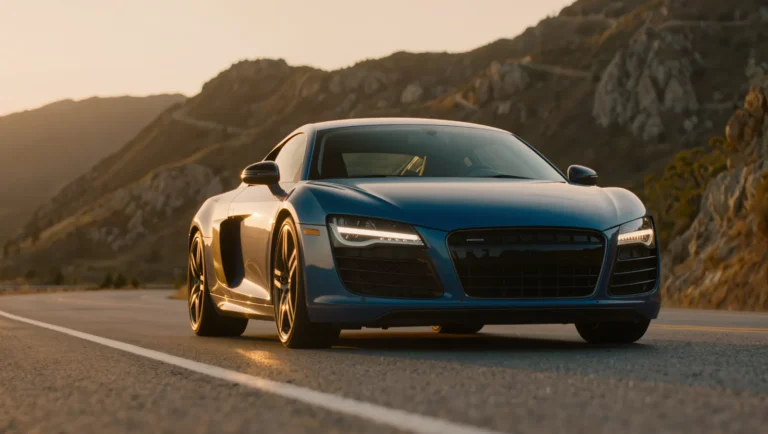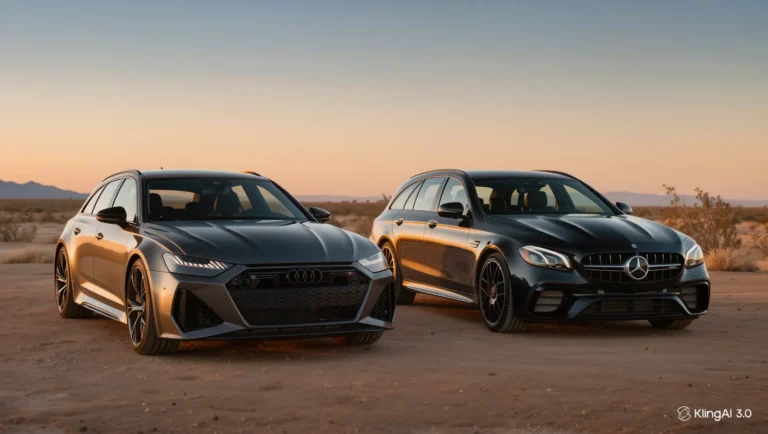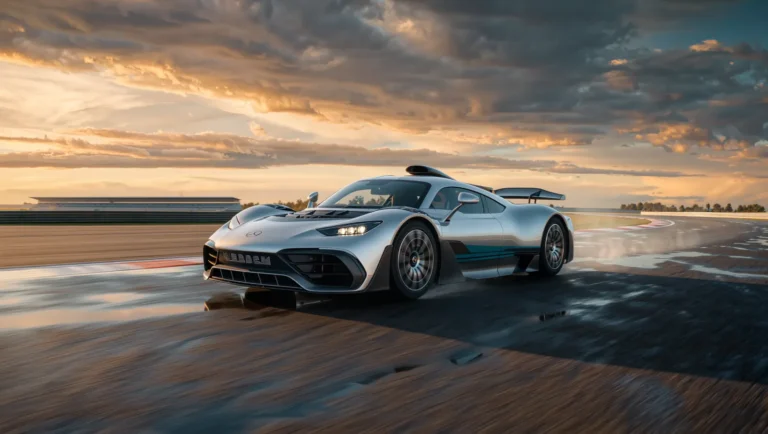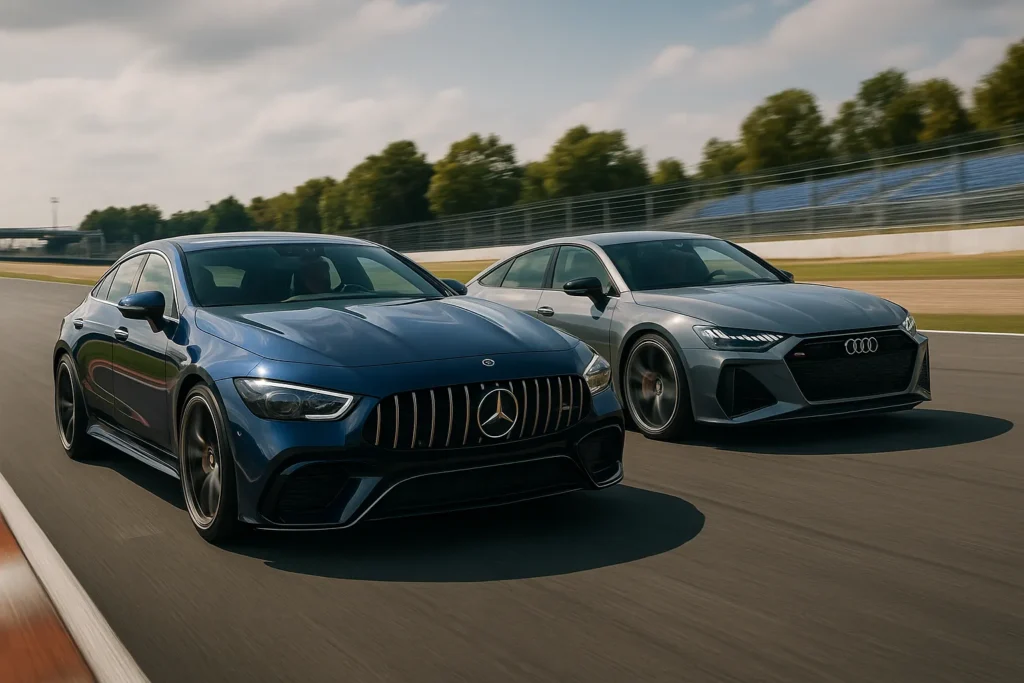
AMG vs Audi RS is one of the longest-running rivalries in the performance car world. Mercedes-AMG and Audi Sport’s RS division are not just building fast cars; they are creating engineering showcases designed to dominate both the street and the racetrack. But when you compare AMG vs Audi RS model for model, which brand truly takes the crown?
In this guide we compare the two brands on heritage, design, performance, technology, driving character, ownership and value, so you can decide which German performance badge fits your style. For a third perspective from Munich, see our BMW M vs Audi RS vs Mercedes-AMG explainer.
Table of Contents
- AMG vs Audi RS: Heritage of Power
- Motorsport Influence
- Design and Luxury
- AMG vs Audi RS: Performance Showdown
- Key Model Matchups
- Engines and Sound
- Technology and Innovation
- Track vs Street
- AMG vs Audi RS: Wagons and SUVs
- Ownership, Reliability and Running Costs
- Value and Depreciation
- Which Should You Choose?
- Choose Mercedes-AMG If:
- Choose Audi RS If:
- Final Verdict: AMG vs Audi RS
AMG vs Audi RS: Heritage of Power
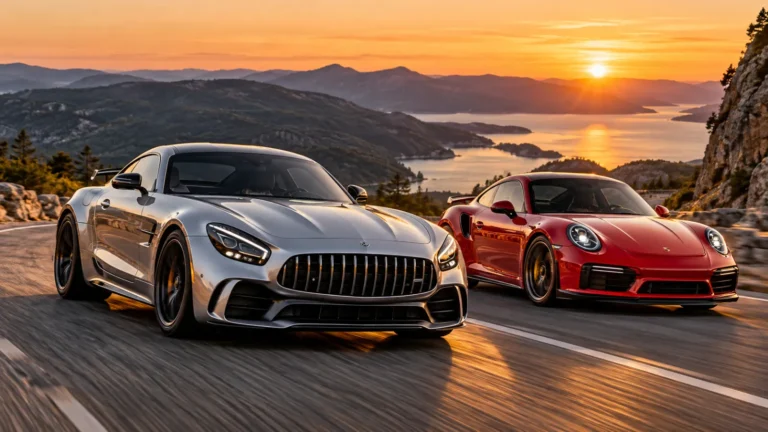
Mercedes-AMG began in 1967 as an independent engineering company founded by Hans Werner Aufrecht and Erhard Melcher, who built racing engines from a small workshop in Germany. Over the decades AMG became part of Mercedes-Benz, but it kept its reputation for raw power and emotional driving dynamics. Models like the AMG GT 63 and the AMG G 63 have become cultural icons.
Audi’s RS story is rooted in rally racing and the quattro all-wheel-drive system that dominated the World Rally Championship in the 1980s. The first RS model, the RS2 Avant of 1994, was developed together with Porsche and established the idea of a practical, all-weather car with supercar-like pace. Today, Audi Sport stands for precision engineering and quattro grip, with cars such as the RS7 Performance and RS6 Avant pushing the limits of design and speed.
Motorsport Influence
Racing has shaped both brands. AMG built its early reputation with the famous 300 SEL 6.8 AMG “Red Pig,” which finished second in class at the 1971 Spa 24 Hours, and today the brand is closely linked with the Mercedes Formula 1 team and customer GT3 racing programs. Lessons from Formula 1 hybrid systems now influence AMG’s E Performance road cars.
Audi’s racing identity comes from rally stages and endurance racing. The original quattro rally cars changed the sport in the 1980s, and Audi later dominated the 24 Hours of Le Mans with its prototypes. That heritage explains why grip, stability and durability remain central to every RS model.
Design and Luxury
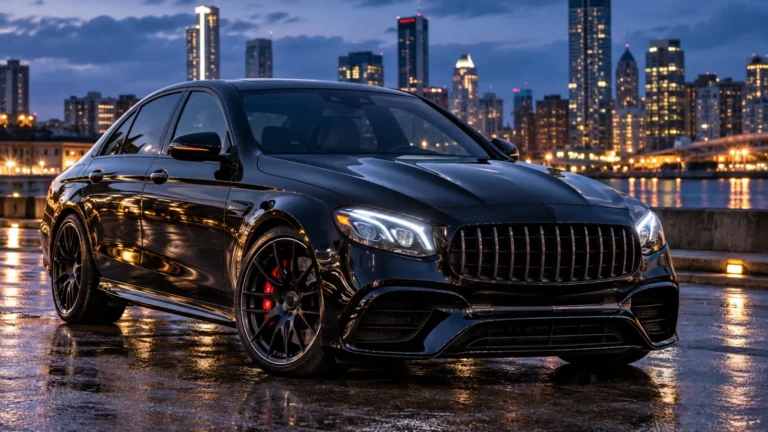
AMG models tend to look aggressive, with the Panamericana grille, muscular fenders and performance-driven aerodynamics. Audi RS cars blend sportiness with subtle luxury, using wider bodywork, honeycomb grilles and large air intakes to create a menacing but more discreet look. AMG is built to be noticed, while RS is built to surprise.
Inside, AMG cabins focus on drama, with large screens, bold ambient lighting and AMG-specific steering wheels with drive-mode controls. Audi RS interiors are cleaner and more minimalist, with the Audi virtual cockpit, high-quality materials and RS-specific displays for performance data. Both deliver true luxury, but the atmosphere is noticeably different.
AMG vs Audi RS: Performance Showdown
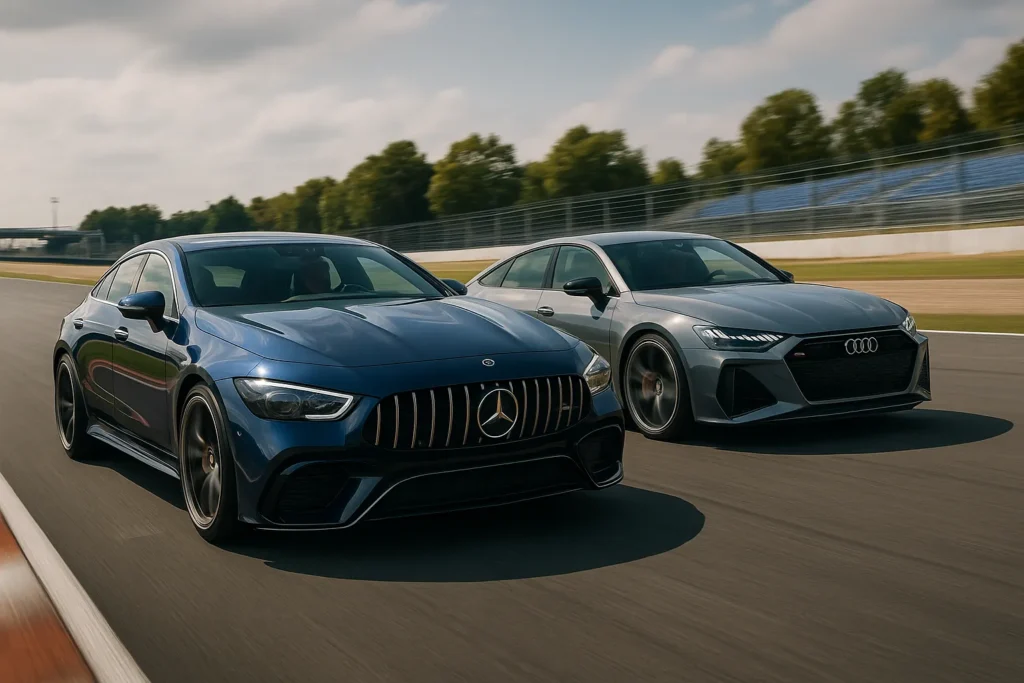
When it comes to outright horsepower, AMG often leads with its thunderous V8 engines. The four-door AMG GT 63 S E Performance plug-in hybrid delivers 831 hp combined, one of the highest outputs of any production sedan. Audi RS is not far behind: the RS7 Performance and RS6 Avant Performance produce 621 hp from a twin-turbo V8 and remain among the best-balanced daily supercars on the market.
Key Model Matchups
| Segment | Mercedes-AMG | Audi RS |
|---|---|---|
| Compact | AMG CLA 45 S / A 45 S | RS3 |
| Mid-size sedan | AMG C 63 S E Performance | RS5 (previous generation) |
| Super sedan / wagon | AMG E 63 S (previous generation), AMG GT 63 4-Door | RS6 Avant, RS7 Sportback |
| Performance SUV | AMG GLE 63 S | RS Q8 |
| Electric GT | AMG EQE and EQS models | RS e-tron GT |
The pattern is clear. Both brands cover nearly every segment, and in most matchups the AMG offers slightly more power or a more dramatic character, while the RS counters with quattro traction and a more balanced, all-weather feel.
Engines and Sound
AMG is famous for its “one man, one engine” philosophy, where a single technician assembles each hand-built engine and signs a plaque on top. The 4.0-liter twin-turbo V8 found in many AMG models delivers a deep, aggressive sound that has become part of the brand’s identity. In recent years AMG has also moved to hybrid four-cylinder and six-cylinder powertrains in some models, a change that divided fans.
Audi RS is equally known for engines with character. The RS3’s 2.5-liter five-cylinder is one of the most distinctive engines on sale, with an off-beat warble inspired by Audi’s rally history. The larger RS models use a twin-turbo 4.0-liter V8 paired with mild-hybrid technology. In the AMG vs Audi RS sound battle, AMG usually wins on volume and drama, while the RS3 five-cylinder wins on uniqueness.
Technology and Innovation
Both brands are pushing hybrid technology. AMG’s E Performance models use plug-in hybrid systems with high-output batteries developed with lessons from Formula 1, focused on brutal acceleration. Audi’s RS lineup integrates performance with efficiency through mild-hybrid systems and, in the RS e-tron GT, a fully electric drivetrain shared with Porsche.
Both offer advanced infotainment, digital instrument clusters and driver assistance systems. AMG emphasizes driver involvement through features like AMG Dynamics and drift modes in some models, while Audi focuses on precision with advanced quattro systems and dynamic ride control.
Track vs Street
On the track, AMG cars deliver heart-pounding thrills with rear-biased power delivery and raw torque. Audi RS cars, equipped with quattro all-wheel drive, provide exceptional grip and stability, especially in unpredictable weather. If you want excitement and a playful rear end, AMG is usually the answer. If you want control and confidence in all conditions, RS often wins.
For daily driving, both brands offer adaptive suspension systems that can soften the ride for commuting and stiffen it for spirited driving. Selectable drive modes change throttle response, steering weight, exhaust volume and transmission behavior, so the same car can feel relaxed on the highway and sharp on a mountain road. In real-world use, both AMG and RS models are fully capable daily drivers, provided you accept firmer suspension and higher fuel consumption than a regular luxury car.
AMG vs Audi RS: Wagons and SUVs
Practical performance cars are a big part of this rivalry. Audi has made the fast wagon part of its identity, and the RS6 Avant is often described as the benchmark family supercar. Mercedes-AMG has offered E 63 wagons in the past and continues to build high-performance SUVs such as the GLE 63 S and the iconic G 63.
In the SUV segment, the Audi RS Q8 focuses on speed and handling with a sleek coupe-SUV shape, while the AMG G 63 trades some on-road agility for unmatched presence and genuine off-road capability. Buyers who need space, all-weather grip and performance in one package will find strong options from both brands, but the RS6 Avant remains one of the most complete all-rounders available.
Ownership, Reliability and Running Costs
Both AMG and Audi RS models are expensive to maintain compared with regular luxury cars. Expect high costs for tires, brakes, insurance and scheduled servicing, especially on V8 models. Owner communities generally report that well-maintained examples of both brands are dependable, but neglected cars can become costly very quickly.
Common considerations for both brands include:
- Service history: complete records with regular oil changes are essential.
- Brakes and tires: high-performance components wear quickly and are expensive to replace.
- Warranty: extended warranties are worth considering on complex hybrid and V8 models.
- Specialist servicing: independent specialists can reduce costs compared with dealers.
For a closer look at one of AMG’s most popular models, read our guide to Mercedes C63 AMG reliability.
Value and Depreciation
Large luxury performance cars tend to depreciate quickly, and both AMG and RS models follow that pattern. That is bad news for first owners but good news for used buyers. Limited-production and enthusiast-favorite models, such as rare AMG Black Series cars or special RS editions, tend to hold their value better than regular production versions.
When shopping used, the AMG vs Audi RS decision often comes down to specific models and their condition rather than the badge itself. A well-documented car from either brand is always a better buy than a cheaper example with gaps in its history.
Certified pre-owned programs from both Mercedes-Benz and Audi can add valuable warranty coverage on late-model cars. For high-performance V8 and hybrid models, that extra protection is often worth the slightly higher purchase price, especially if you plan to keep the car for several years.
Which Should You Choose?
Choose Mercedes-AMG If:
- You want maximum power and a dramatic V8 soundtrack
- You enjoy a more playful, rear-biased driving style
- You love bold design and a high-tech, flashy interior
Choose Audi RS If:
- You need all-weather traction and stability
- You prefer understated design with serious performance
- You want a practical performance wagon like the RS6 Avant
Final Verdict: AMG vs Audi RS
The AMG vs Audi RS battle is closer than ever. AMG dominates with power, sound and drama, while Audi RS impresses with precision, quattro grip and everyday usability. The winner depends on what kind of driver you are. For adrenaline and emotion, choose AMG. For balance, versatility and all-season confidence, RS is very hard to beat.
If you are still deciding, our guide to the best German performance cars compares more models from Mercedes-AMG, Audi RS and BMW M. You can also explore the latest models on the official Mercedes-AMG USA and Audi USA websites.