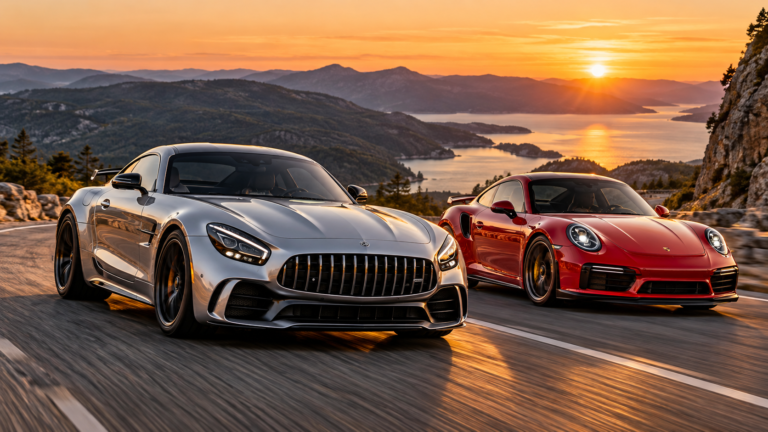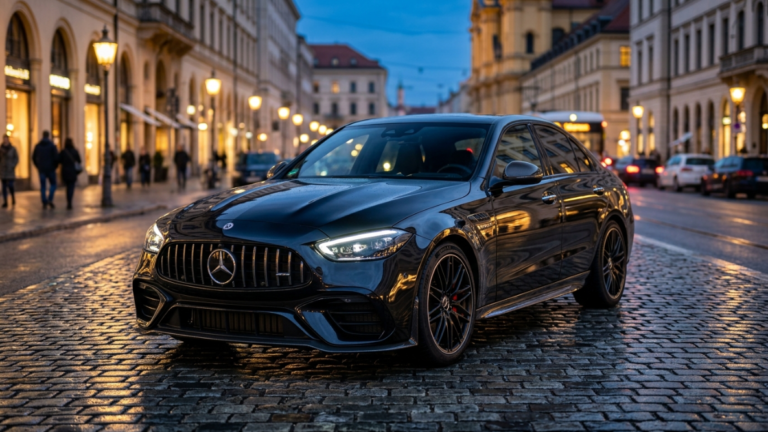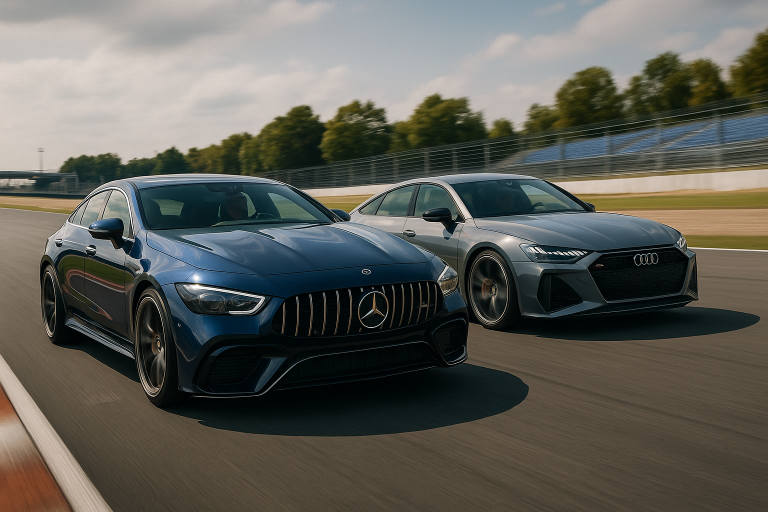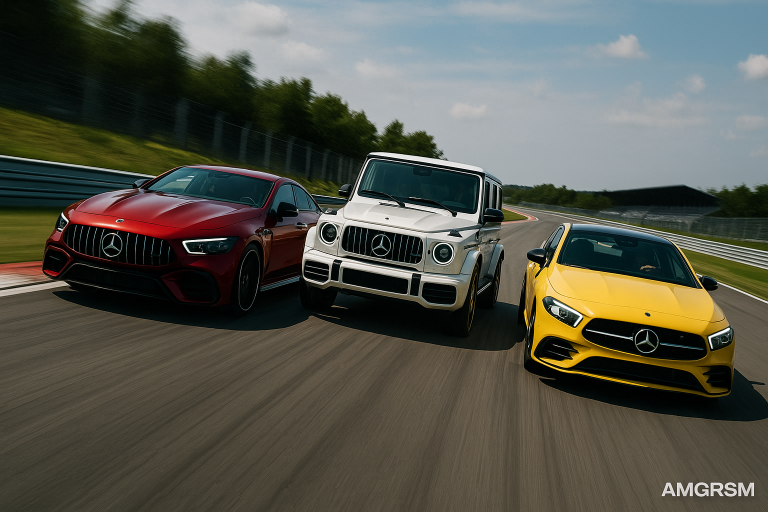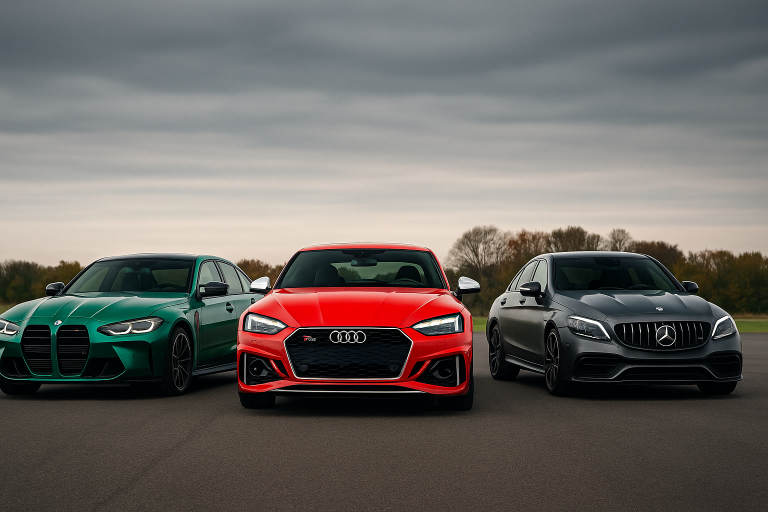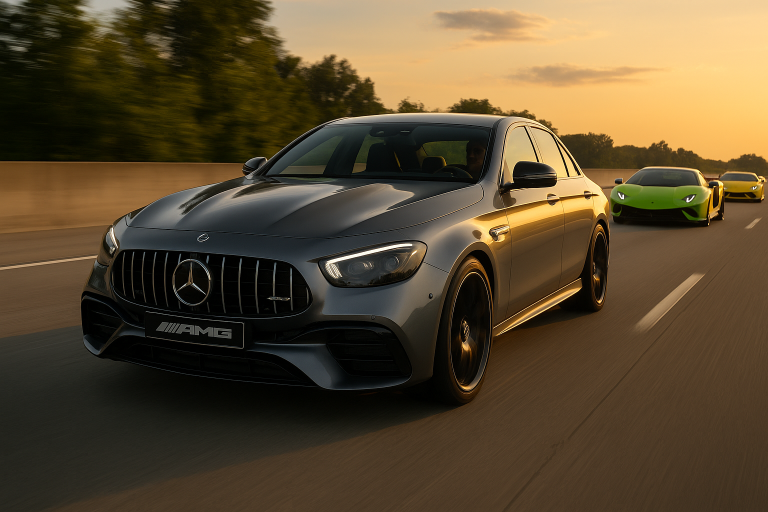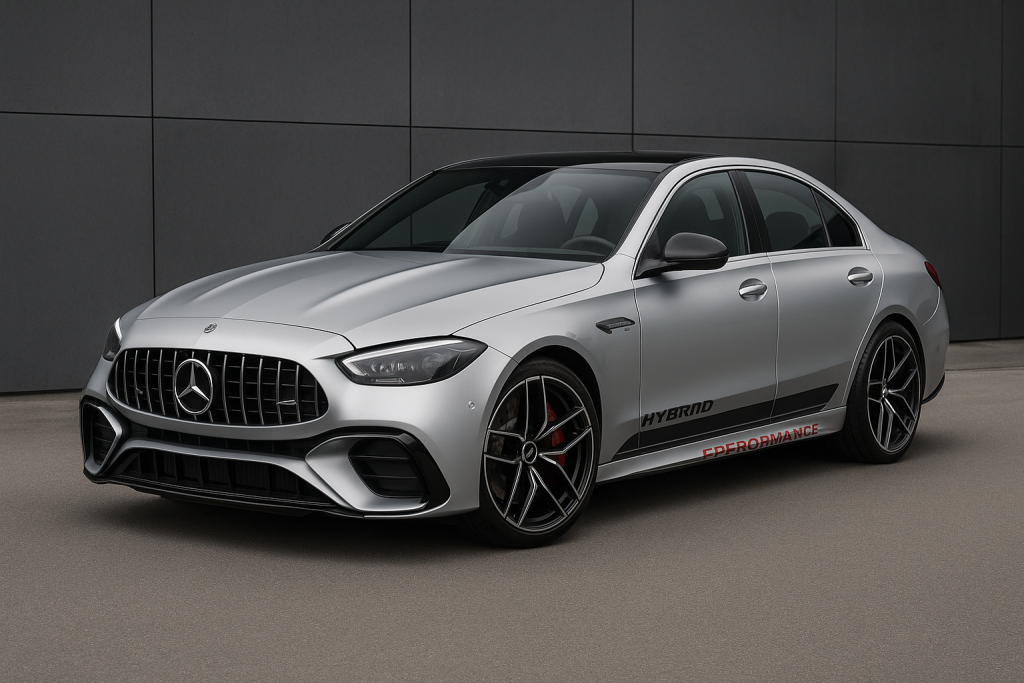
Hybrid AMG models are changing what Mercedes-AMG stands for. For decades, AMG was known for thunderous V8 engines, rear-wheel burnouts and brutally fast luxury sedans. In recent years, a new trend has taken over: electrification. Today, many of the most powerful AMG models use hybrid technology, from the C 63 S E Performance to the 831-hp AMG GT 63 S E Performance 4-Door.
Is this the end of AMG as we know it, or the beginning of something even more powerful? In this guide we explain how hybrid AMG systems work, the different types of AMG hybrids, which models use them, their advantages and disadvantages, how they compare with rivals and what they mean for the future of the brand. For a broader look at the range, see our list of the top Mercedes-AMG models.
Table of Contents
- Why AMG Turned to Hybrid Technology
- What Is a Hybrid AMG?
- Mild Hybrids
- E Performance Plug-In Hybrids
- How AMG E Performance Technology Works
- Hybrid AMG Models
- Mercedes-AMG C 63 S E Performance: The Game Changer
- AMG GT 63 S E Performance: The Flagship Hybrid
- Advantages of Hybrid AMG Technology
- Instant Torque
- All-Wheel Drive and Balance
- Energy Recovery
- Efficiency and Emissions
- Disadvantages of Hybrid AMG Models
- What Owners and Reviewers Say
- Hybrid AMG vs BMW M and Audi RS
- Owning a Hybrid AMG
- Is a Hybrid AMG Right for You?
- The Future of Hybrid AMG
- Final Thoughts on Hybrid AMG
Why AMG Turned to Hybrid Technology
Several forces pushed Mercedes-AMG toward electrification. Emissions regulations in Europe, China and parts of the United States have become stricter, making it harder to sell large engines without reducing average fleet emissions. At the same time, customers continue to expect more power with every new generation. Hybrid technology offered AMG a way to meet both demands: lower official emissions and higher performance.
AMG also had a unique advantage. The Mercedes Formula 1 team has used hybrid power units since 2014 and dominated the sport for years. Engineers in Affalterbach could draw on that experience, especially in battery cooling, energy management and electric turbocharging. The result is a hybrid strategy that focuses on speed first and efficiency second.
What Is a Hybrid AMG?
Unlike traditional hybrids that focus mainly on fuel economy, AMG’s performance hybrids are designed with a performance-first philosophy. Mercedes-AMG uses two main types of hybrid technology.
Mild Hybrids
Many AMG models, including several 43 and 53 models and the latest G 63, use a 48-volt mild-hybrid system with an integrated starter-generator. It adds a short burst of extra power and torque at low engine speeds, smooths the start-stop system and improves efficiency. These cars cannot drive on electric power alone, but the system makes them feel more responsive in everyday driving.
E Performance Plug-In Hybrids
The most powerful AMG hybrids carry the E Performance name. They combine a turbocharged gasoline engine with an electric motor mounted on the rear axle and a compact, high-performance battery that can be charged from a plug. Together, they deliver instant torque, dramatic acceleration and the ability to drive short distances on electric power alone.
How AMG E Performance Technology Works
AMG’s E Performance system uses a layout often described as a P3 hybrid, where the electric motor sits on the rear axle rather than between the engine and transmission. The motor has its own two-speed transmission and an electronically controlled limited-slip differential, allowing it to send power directly to the rear wheels. The engine powers both axles through 4MATIC+ all-wheel drive, while the electric motor adds extra torque at the rear.
The battery is the key component. AMG developed it with lessons from Formula 1, using direct cooling of each individual cell to keep temperatures stable even during hard driving. The battery is designed to deliver and absorb large amounts of power very quickly, which is why it is relatively small. The goal is maximum performance and repeatable boost, not long electric range.
Some four-cylinder models also use an electric exhaust gas turbocharger. A small electric motor spins the turbo before exhaust pressure builds, reducing lag and improving throttle response. This technology also comes directly from Formula 1.
Hybrid AMG Models
| Model | Engine | System output |
|---|---|---|
| AMG GT 63 S E Performance 4-Door | 4.0L twin-turbo V8 + electric motor | 831 hp |
| AMG C 63 S E Performance | 2.0L turbo four-cylinder + electric motor | 671 hp |
| AMG GLC 63 S E Performance | 2.0L turbo four-cylinder + electric motor | 671 hp |
| AMG E 53 Hybrid | 3.0L turbo inline-six + electric motor | Plug-in hybrid six-cylinder |
| AMG G 63 | 4.0L twin-turbo V8 mild hybrid | 577 hp |
Mercedes-AMG has also introduced E Performance versions of other flagships, such as the S-Class and the SL, showing that hybrid technology is now central to the brand’s top models.
Mercedes-AMG C 63 S E Performance: The Game Changer
The C 63 S E Performance is the model that made the hybrid AMG debate impossible to ignore. Once known for its roaring V8, the C 63 now uses a 2.0-liter turbocharged four-cylinder with an electric turbocharger combined with a rear-axle electric motor. Total output is 671 hp and 752 lb-ft of torque, making it the most powerful C-Class AMG ever made. Mercedes-AMG quotes 0-60 mph in about 3.3 seconds. Our full C 63 S E Performance review covers it in detail.
AMG GT 63 S E Performance: The Flagship Hybrid
At the top of the range sits the four-door AMG GT 63 S E Performance. It keeps AMG’s hand-built 4.0-liter twin-turbo V8 and adds the rear-axle electric motor and high-performance battery, for a combined 831 hp. It shows the other side of AMG’s hybrid strategy: instead of replacing the V8, electrification is used to make an already powerful car even faster. For many enthusiasts, this is the most convincing hybrid AMG because it combines the traditional V8 sound with electric performance.
Advantages of Hybrid AMG Technology
Instant Torque
Electric motors deliver maximum torque from a standstill, giving hybrid AMGs explosive acceleration off the line and out of corners.
All-Wheel Drive and Balance
With the engine in the front and the electric motor and battery at the rear, weight distribution can be improved, and the rear motor helps rotate the car through corners.
Energy Recovery
Hybrid AMGs recover energy during braking and coasting, recharging the battery while driving. Drivers can often adjust how strongly the system recuperates energy.
Efficiency and Emissions
While not designed for maximum economy, the hybrid systems can reduce fuel consumption and emissions in everyday driving, especially when owners use the electric mode around town.
Disadvantages of Hybrid AMG Models
- Weight: batteries, motors and extra cooling systems add significant mass, which can be felt in tight corners.
- Sound: four-cylinder hybrids cannot match the emotional sound of the classic AMG V8.
- Complexity: more components mean more potential repair costs as the cars age.
- Limited electric range: the batteries are designed for performance, so electric-only driving is limited.
- Trunk space: hybrid components can reduce cargo capacity compared with non-hybrid models.
What Owners and Reviewers Say
Reviews of hybrid AMG models are mixed but generally respectful. Most testers praise the incredible acceleration, the clever integration of electric power and the advanced technology. The most common criticisms focus on weight and, in four-cylinder models, the loss of the V8 soundtrack. Buyers who value performance figures and technology tend to be happy, while purists often prefer older V8 models. For a comparison with the classic V8 era, read our guide to C63 AMG reliability by generation.
Hybrid AMG vs BMW M and Audi RS
Rivals are following different strategies. BMW M has also moved toward plug-in hybrid technology with the latest M5, which combines a V8 with an electric motor. Audi RS has mainly used mild-hybrid systems on its V8 models and fully electric power in the RS e-tron GT. Mercedes-AMG’s approach is especially focused on performance, using electrification to create powerful boosts rather than mainly to save fuel. For a broader brand comparison, see our AMG vs Audi RS guide.
Owning a Hybrid AMG
Owning a hybrid AMG is similar to owning any high-performance Mercedes, with a few extra considerations. Owners who can charge at home will get the most benefit from electric driving around town, while those who never plug in can still enjoy the performance boost, as the system recharges the battery while driving. Warranty coverage is especially important because of the high-voltage components, so buying new or certified pre-owned with extended coverage is a sensible choice. Regular servicing at a Mercedes-Benz dealer or qualified specialist ensures that both the engine and the hybrid system stay in top condition.
Is a Hybrid AMG Right for You?
A hybrid AMG makes the most sense for drivers who want maximum acceleration, all-weather traction and the latest technology, and who can charge at home. Drivers who value a lighter car, a traditional V8 soundtrack and simpler mechanics may prefer a used V8 model or one of the remaining V8-powered AMG cars.
The Future of Hybrid AMG
Hybrid technology is likely to remain an important part of AMG’s lineup for years to come, alongside fully electric AMG models. Mercedes-AMG has already introduced electric performance versions of its EQ models and has announced plans for dedicated electric AMG platforms. At the same time, the brand has shown it is willing to adapt based on customer feedback, and V8 engines continue to play a key role in top models.
The mild-hybrid inline-six is also used in the coupe and cabriolet; see our Mercedes-AMG CLE 53 review for details.
Final Thoughts on Hybrid AMG
Hybrid AMG models represent a new chapter for Mercedes-AMG. They are more powerful and technologically advanced than ever, but they also bring extra weight, complexity and a different character. Whether they mark the end of AMG as we know it or the beginning of something better depends on what you value most: raw emotion or cutting-edge performance.
One thing is certain: AMG has not stopped chasing speed. It has simply found new ways to achieve it. Learn more about current models on the official Mercedes-AMG USA website.