If you are shopping for a used hot hatch or sedan with real supercar-chasing pace, Audi RS3 problems are the first thing worth researching. The 2.5-liter five-cylinder turbo is one of the best-loved engines Audi has ever built, and many examples run past 100,000 miles without drama. But the RS3 is a complicated, highly stressed car, and a handful of known weak points can turn a bargain into a four-figure repair bill.
This guide covers the most common Audi RS3 problems on both generations: the 8V (2015–2020 in Europe; sold in the US as a sedan for the 2017–2020 model years) and the current 8Y (2022 onward in the US). You will find symptoms, causes, fault codes, realistic repair cost ranges, recalls, the years and conditions to be careful with, and a buyer’s checklist. If you are still deciding between rivals, compare it with the Audi RS3 vs BMW M240i or browse our Top 10 Audi RS models ranked.
Audi RS3 Problems at a Glance
Here is a quick summary of the issues owners and independent specialists report most often. Each one is explained in more detail below. Costs are rough independent-shop ranges in US dollars and vary by region, mileage and parts used.
| Problem | Most affected | Typical symptoms | Approx. cost |
|---|---|---|---|
| Haldex AWD pump clogging | 8V, some 8Y | Traction light, front wheels spinning, no rear drive | $900–$2,800 |
| Low-pressure fuel pump module | Early 8V | Cutting out at low speed, long restart, low fuel pressure codes | Free if recalled; otherwise about $600–$1,200 |
| Intake valve carbon buildup | 8V (worst on early cars) | Rough idle, hesitation, lost response | $600–$1,200 for walnut blasting |
| DQ500 S tronic / mechatronic faults | 8V and 8Y | Harsh shifts, flashing gear display, limp mode, whine | $1,800–$5,000+ |
| Wastegate rattle and boost leaks | 8V | Rattle on cold start, boost leaks | Varies widely; turbo work can reach several thousand dollars |
| Stuck or leaking injectors | Mostly tuned cars | Misfires, fuel smell, rough running | Prevention is far cheaper than engine damage |
| Worn spark plugs and coils | All | Misfire under hard acceleration, check engine light | $250–$700 |
| Coolant system and water pump leaks | Some 8Y | Coolant warnings, low coolant level | Often warranty; otherwise $500–$2,000 |
Is the Audi RS3 Reliable?
Overall, the Audi RS3 is reliable if it has been serviced properly and is not heavily modified. The 2.5 TFSI five-cylinder has a strong reputation for durability, and the engine itself is rarely the problem on a standard car. Most Audi RS3 reliability concerns sit around it: the all-wheel-drive system, the dual-clutch gearbox, the fuel system and the cost of keeping up with maintenance.
The RS3 is also a car that is easy to abuse. Launch control, frequent track days and aggressive tunes put extra stress on the clutch packs, injectors and turbo. A car that has been serviced on schedule, with the correct fluids changed early, is a very different proposition from one with a patchy history. As with every performance car, condition and history matter more than the badge. Our guides to Mercedes C63 AMG reliability and BMW N63 engine problems make the same point about their rivals.
Audi RS3 8V Problems (2015–2020)
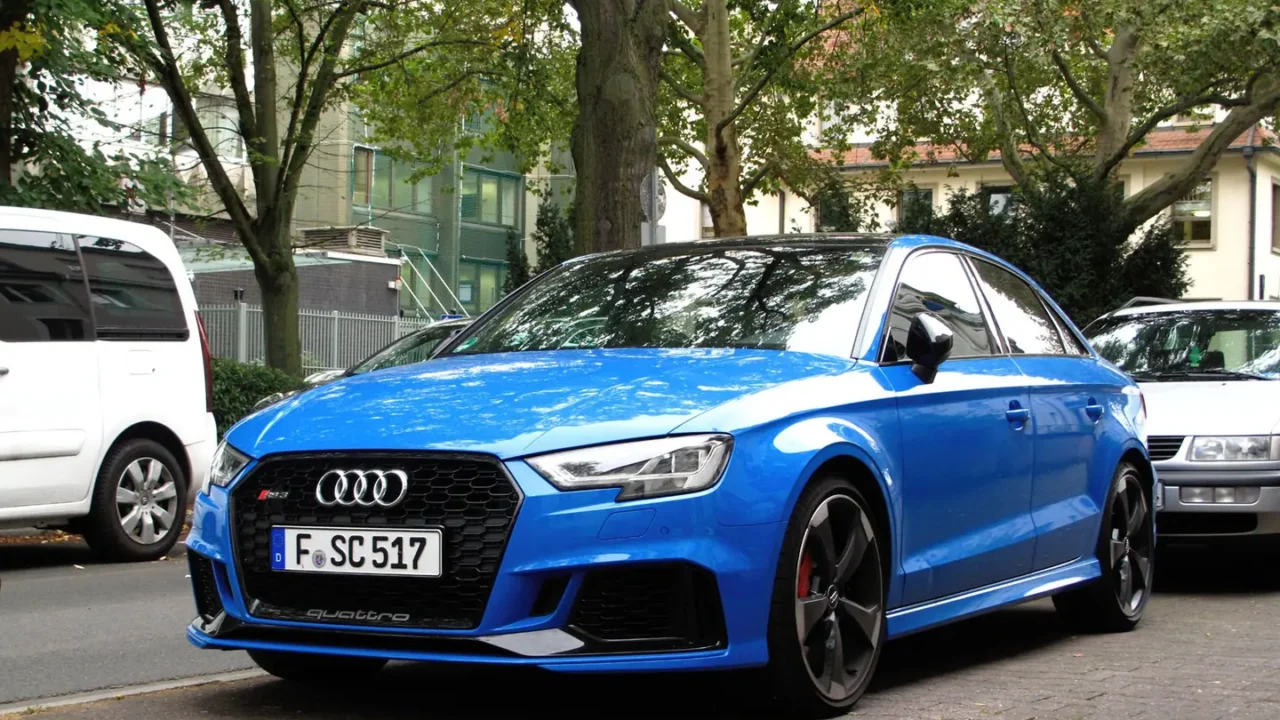
The 8V RS3 was sold in Europe as a Sportback and sedan, with the 2.5 TFSI producing roughly 362 hp in early cars (engine code CZGB) and around 395–400 hp after the 2017 facelift (engine code DAZA). In the US, only the sedan was sold: a limited run of 2017 models and then 2018–2020, with 400 hp (re-rated to 394 hp from the 2019 model year) and a combined port and direct injection system. Audi skipped the 2021 model year before the 8Y arrived. If you shop for an early European-spec or imported car, the CZGB notes below matter more.
Haldex All-Wheel-Drive Pump and Strainer
The 8V uses a fifth-generation Haldex coupling that sends power to the rear wheels through an electric pump. That pump has a fine strainer that gradually clogs with clutch debris. When it is badly restricted, the pump struggles, can burn out, and the car effectively becomes front-wheel drive.
- Symptoms: a repeatedly illuminated traction control light, wheelspin from the front wheels in situations where the car should have grip, or an all-wheel-drive fault message. In some cases there is no warning at all.
- Cause: clutch pack wear debris and long fluid change intervals. Specialists note that the strainer is not replaceable on this generation and is often not cleaned at a routine service.
- Fix and cost: removing and cleaning the pump strainer during a Haldex fluid service is the cheapest prevention. Replacing the pump typically runs around $900–$1,400 at an independent shop; a full Haldex unit replacement can approach $2,500–$2,800.
Low-Pressure Fuel Pump Module
Early 8V cars are known for a failing in-tank low-pressure fuel pump module under the rear seat. The result is the car cutting out at low speed or at idle, and sometimes refusing to restart for several minutes. Typical fault codes relate to low fuel pressure, such as P0087, P1093 or P2293.
Audi issued a campaign to replace the module on affected cars, and some vehicles needed a second, updated part. We found no NHTSA safety recall for this fault on US-market RS3 sedans, so US cars may not have been covered by the same campaign. Before buying, ask an Audi dealer to check the VIN for open campaigns and confirm the work was done. You can also check your VIN for open safety recalls on the NHTSA recalls page. If the work was never done, expect a repair in the region of $600–$1,200.
Intake Valve Carbon Buildup
The 2.5 TFSI uses direct injection, so fuel does not wash over the intake valves. Oil vapor from the crankcase ventilation system bakes onto the valves and ports over time. Early CZGB engines, which lack port injection, are the most affected. The facelift DAZA engine added supplementary port injection, which slows but does not eliminate the problem.
- Symptoms: rough idle, hesitation, reduced throttle response and occasional misfires, typically noticeable somewhere between 30,000 and 60,000 miles.
- Fix and cost: walnut-shell blasting is the usual remedy, generally $600–$1,200 at an independent specialist and more at a dealer.
Turbo Wastegate Rattle and Boost Leaks
Several buyer’s guides mention play in the turbo wastegate actuator, which sounds like a rattle on a cold start, and occasional boost leaks. It is often more of a noise than an immediate failure, but it can be a sign of turbo wear. Listen to the car from cold and check that boost holds steady under load. Ask whether the turbo has ever been replaced.
Stuck Injectors and Tuned Cars
Specialists warn that on tuned DAZA engines, an injector sticking open is a serious risk because it can wash down a cylinder or, in the worst case, damage a piston. This is far more common on modified cars than on stock ones. If the car has a tune, ask who did it, what hardware was fitted, and whether the injectors have been tested or replaced. A stock car with a clean history is a much safer buy.
Spark Plugs and Ignition Coils
Some owners report misfires under hard acceleration that clear with fresh spark plugs. Many specialists recommend changing plugs earlier than the factory interval, often every 30,000–40,000 miles, and checking the coils if a misfire persists. This is a cheap fix compared with other items on this list, usually $250–$700.
Other 8V Items to Check
- Passenger occupant detection recall (21V-198): NHTSA lists a recall covering 2017–2020 RS3 sedans, among other A3 and S3 models, where the passenger occupant detection system may switch off the passenger airbag even when the seat is occupied. The remedy is a free sensor mat and control module update. Confirm it was done.
- Thermostat housing and coolant leaks: look for crusty coolant residue around the housing and hoses.
- Bevel box and driveshaft leaks: these can show up as oil seepage; later cars may still be under warranty.
- Brakes and tires: the RS3 is heavy on both. Budget for ceramic or iron discs and a quality set of performance tires.
Audi RS3 8Y Problems (2022–Present)
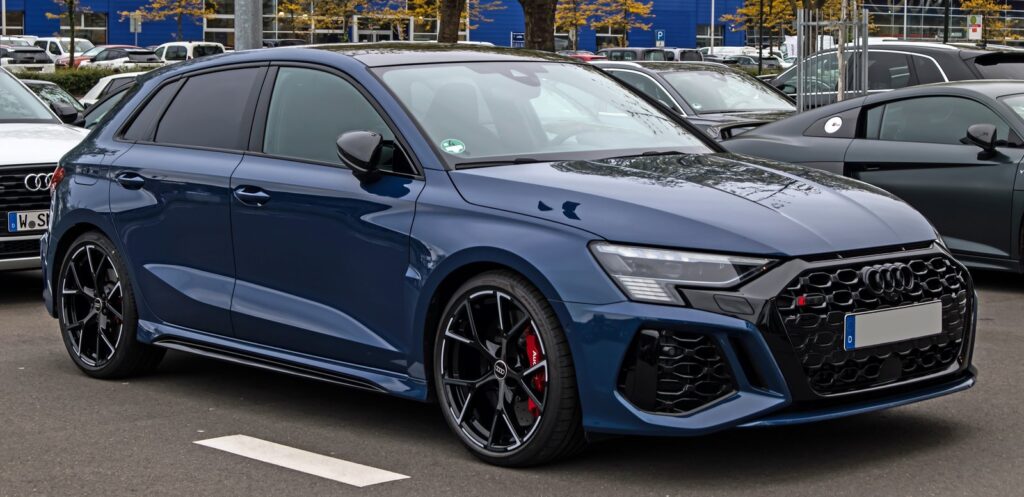
The 8Y RS3 uses the updated 2.5 TFSI (engine code DNWA) with about 401 hp, a revised DQ500 dual-clutch gearbox and the new RS Torque Splitter, which can send torque to individual rear wheels. It is still young, so long-term data is limited. Everything below comes from early owner reports and recall data, and many repairs have been covered by warranty.
Transmission Pump, Overheating Warnings and Harsh Shifts
Some 2022–2023 owners have reported a high-pitched whine from the front of the car, transmission overheating warnings in mild conditions, and harsh or hesitant shifts. Reports point to the gearbox pump, a cooling component or the mechatronic unit. Several cars were repaired or had gearboxes replaced under warranty. A specialist mechatronic repair typically costs about $1,800–$3,000, and a full clutch and mechatronic overhaul can reach $3,500–$5,000 if you are out of warranty.
Torque Splitter and Rear-Drive Faults
Some owner reports mention all-wheel-drive faults, clicking from the rear, or a “drive fault” message. One European source describes a defective batch of early torque splitters, but at the time of writing we found no US or German recall for this, so treat it as an owner-reported issue rather than a confirmed campaign. If you test drive an 8Y, scan for stored faults and make sure all drive modes work, including the RS Torque Rear mode.
Cooling System and Water Pump
A few owners have reported coolant warnings and leaks related to the vacuum-controlled water pump and hoses. These can be intermittent and annoying to diagnose. Check that the coolant level is correct and ask for service records showing any cooling work.
US Recalls on the 2022–2023 RS3
NHTSA records list several campaigns that affected a limited number of 2022–2023 cars, including:
- 22V-652: certain 2022 Audi A3, S3 and RS3 vehicles may have an incorrectly folded front passenger airbag. The remedy is a free replacement of the airbag module.
- 22V-823: a blank or unresponsive rearview camera display on certain 2022 models. The remedy is a free camera replacement.
- 22V-901: a B-pillar safety certification label that is missing weight-capacity information on certain 2023 Audi A3, S3 and RS3 vehicles. The remedy is a free overlay label.
Recalls are VIN-specific. Always enter the VIN at nhtsa.gov/recalls to see whether anything is open on the exact car you are looking at.
DQ500 S Tronic Gearbox Problems (8V and 8Y)
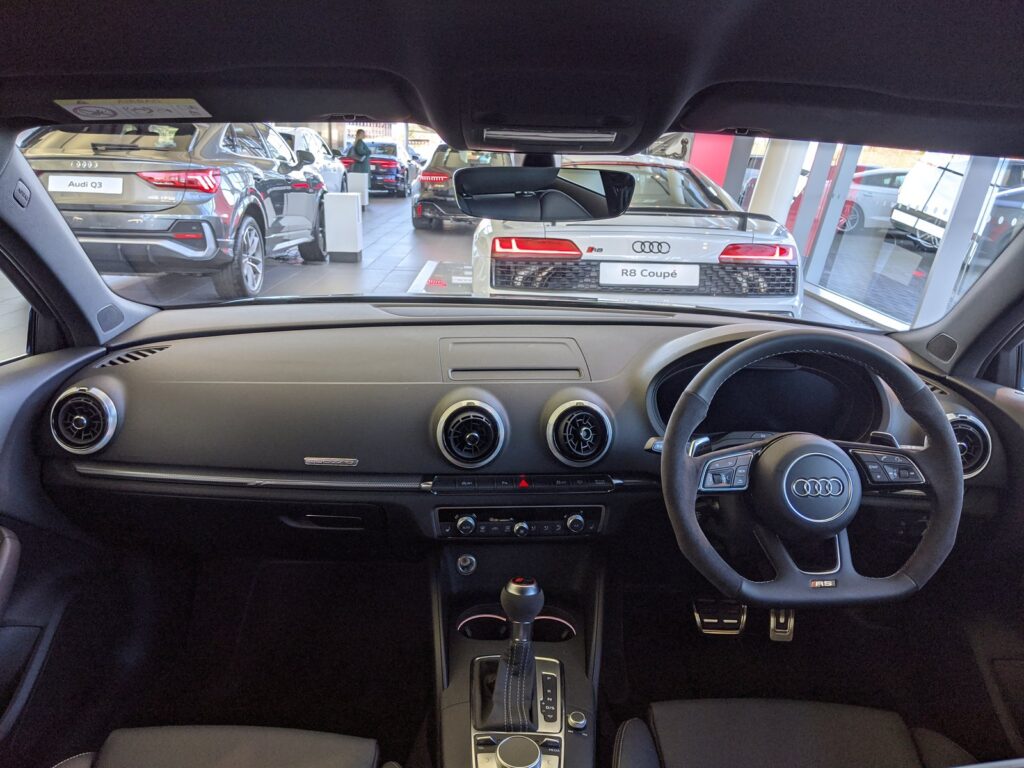
The seven-speed DQ500 wet-clutch gearbox is fundamentally strong, but it is not maintenance free. Common concerns include mechatronic solenoid and sensor faults, worn clutch packs on cars that have been launched often or tuned, and neglected fluid.
- Symptoms: harsh or delayed shifts, a flashing gear indicator, reluctance to engage a gear at low speed, limp mode, or whining noises.
- Fault codes: clutch position sensor faults, often listed with codes in the P1735 range, are among the most reported.
- Prevention: specialists commonly recommend fluid and filter changes about every 25,000–40,000 miles rather than waiting for Audi’s longer official interval.
Audi RS3 Years to Avoid and Best Years to Buy
There is no single bad year, but some conditions matter more than the model year:
- Be most careful with: early 8V cars with no proof of the fuel pump module work, any car with an aggressive tune and no paperwork, and 8Y cars outside warranty with any gearbox history.
- Generally the safer 8V choice: later facelift cars with the DAZA engine, which adds port injection and so is less prone to carbon buildup than early European CZGB cars. US-market 2017–2020 sedans use the combined port and direct injection system. Complete maintenance records matter more than the exact year.
- 8Y cars: attractive, but check warranty status carefully. Audi’s US new-car warranty is 4 years or 50,000 miles, so a certified pre-owned car with remaining cover is easier to recommend than an out-of-warranty one.
Audi RS3 Buyer’s Checklist
- Run a VIN check for open recalls and campaigns on the NHTSA site and ask an Audi dealer to confirm fuel pump module work on early or imported cars.
- Request records for DQ500 and Haldex fluid changes, and ask if the Haldex pump strainer was cleaned.
- Do a cold start and listen for turbo rattle, then check that boost holds on a drive.
- Test every gear gently and hard. Look for harsh shifts, hesitation or a flashing gear display.
- Scan for fault codes, including any stored fuel pressure or clutch sensor codes.
- Check for coolant residue around the thermostat housing, water pump and hoses.
- Ask about modifications. A documented tune from a respected specialist is acceptable; an unknown tune is a red flag.
- Budget for new brakes, tires and a full fluid service right after purchase.
- Have an independent Audi or VAG specialist do a pre-purchase inspection.
How Much Does Audi RS3 Maintenance Cost?
Expect to spend more than on a standard A3 or S3. A realistic annual budget for a well-kept RS3 outside warranty is commonly cited as a few thousand dollars, with the biggest costs coming from the DQ500 and Haldex services, brakes, tires and the occasional carbon cleaning. If you also look at rivals, see how running costs compare in our Audi RS vs BMW M comparison and our list of fast used cars under $40K.
More guides: Looking for guides on other models? Browse our Common Problems & Reliability Guides hub for Audi, BMW and Mercedes-AMG reliability articles.
Frequently Asked Questions
What are the most common Audi RS3 problems?
The most common Audi RS3 problems are a clogged Haldex pump strainer, intake valve carbon buildup, a failing low-pressure fuel pump module on early 8V cars, DQ500 gearbox and mechatronic faults, and turbo wastegate rattle. On the newer 8Y, owners have also reported gearbox pump whine, overheating warnings and cooling system leaks.
Is the Audi RS3 reliable?
Yes, with the right care. The 2.5 TFSI engine has a strong reputation, but the gearbox, Haldex system and fuel system need proper maintenance. A modified or neglected RS3 is far riskier than a stock, well-documented one.
How much does it cost to maintain an Audi RS3?
Routine servicing is higher than on a normal compact. Haldex and DQ500 services, brakes and tires add up, and a major gearbox repair can cost several thousand dollars. Joining an owner forum and using an independent VAG specialist can reduce costs.
Which Audi RS3 year is most reliable?
Later 8V facelift cars with the DAZA engine and complete service history are widely seen as the safer used choice. For the 8Y, long-term data is still limited, so warranty status and service history matter most.
Does the Audi RS3 have a fuel pump recall?
Early 8V cars, mainly European-spec 2015–2017 models, were subject to a campaign to replace the low-pressure fuel pump module. We found no NHTSA recall for it on US RS3 sedans. Because campaigns are VIN-specific, ask an Audi dealer to check the car, and run the VIN on NHTSA, before buying.
How many miles can an Audi RS3 last?
With regular oil changes, correct fluid services and no aggressive tune, the five-cylinder engine can last well beyond 100,000 miles. Wear items and drivetrain components usually need attention sooner than the engine itself.
Is the Audi RS3 expensive to repair?
Compared with an S3 or Golf R, yes. Parts and labor for the gearbox, Haldex unit and turbo are the biggest costs. That is why a pre-purchase inspection and warranty cover are so valuable.
The Bottom Line on Audi RS3 Problems
The Audi RS3 is a thrilling, usable performance car, and the known Audi RS3 problems are manageable if you buy carefully. Focus on the Haldex pump, DQ500 gearbox, fuel pump module work and intake carbon on the 8V, and on warranty and gearbox history for the 8Y. Buy the best-documented example you can, avoid mystery tunes, and budget for preventive maintenance. If you want to understand where the RS badge sits in the performance world, read What does RS mean on Audi?
This article is for general information. Costs, recalls and repair practices vary; always verify details for a specific vehicle with an Audi dealer, a qualified specialist and official recall databases.